Ferguson Historical Society - Ferguson, Missouri
About Us
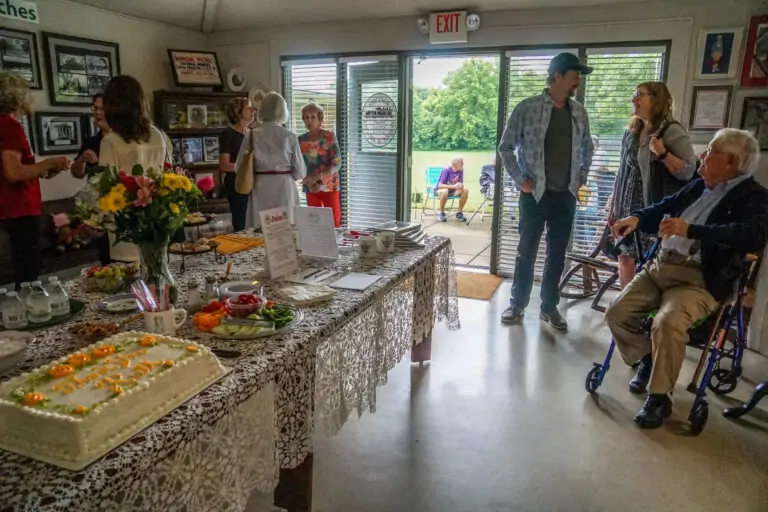
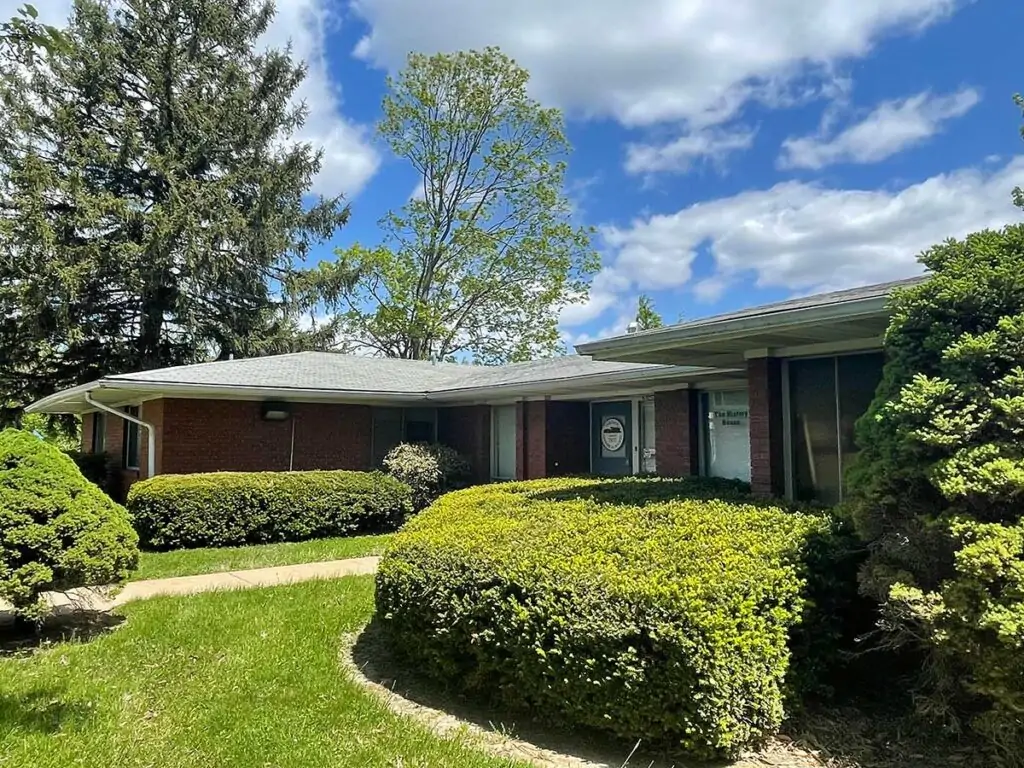
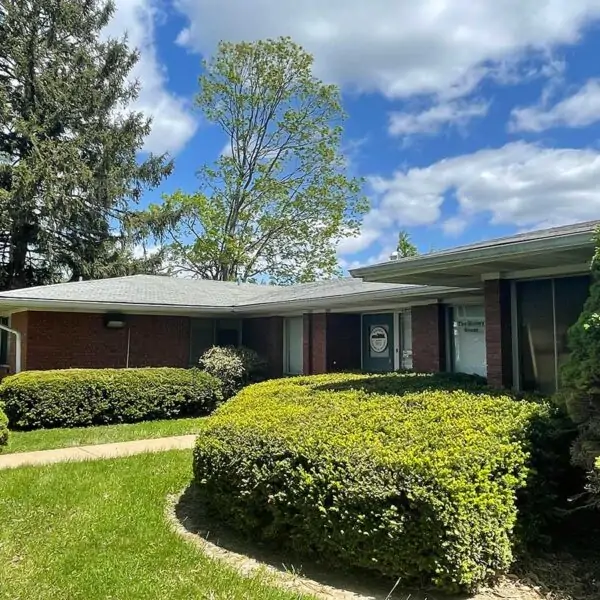
The Ferguson Historical Society was established in 1972. It is a 501C3 non-profit dedicated to preserving and promoting the history of Ferguson Missouri. Membership is open to all sharing our interest. We’re housed in the old Good Shepherd convent, a mid-century modern house behind what used to be the Good Shepherd Church and School and what is now the Ferguson Community Center. We welcome visitors at our open houses and other events or any other time by appointment.
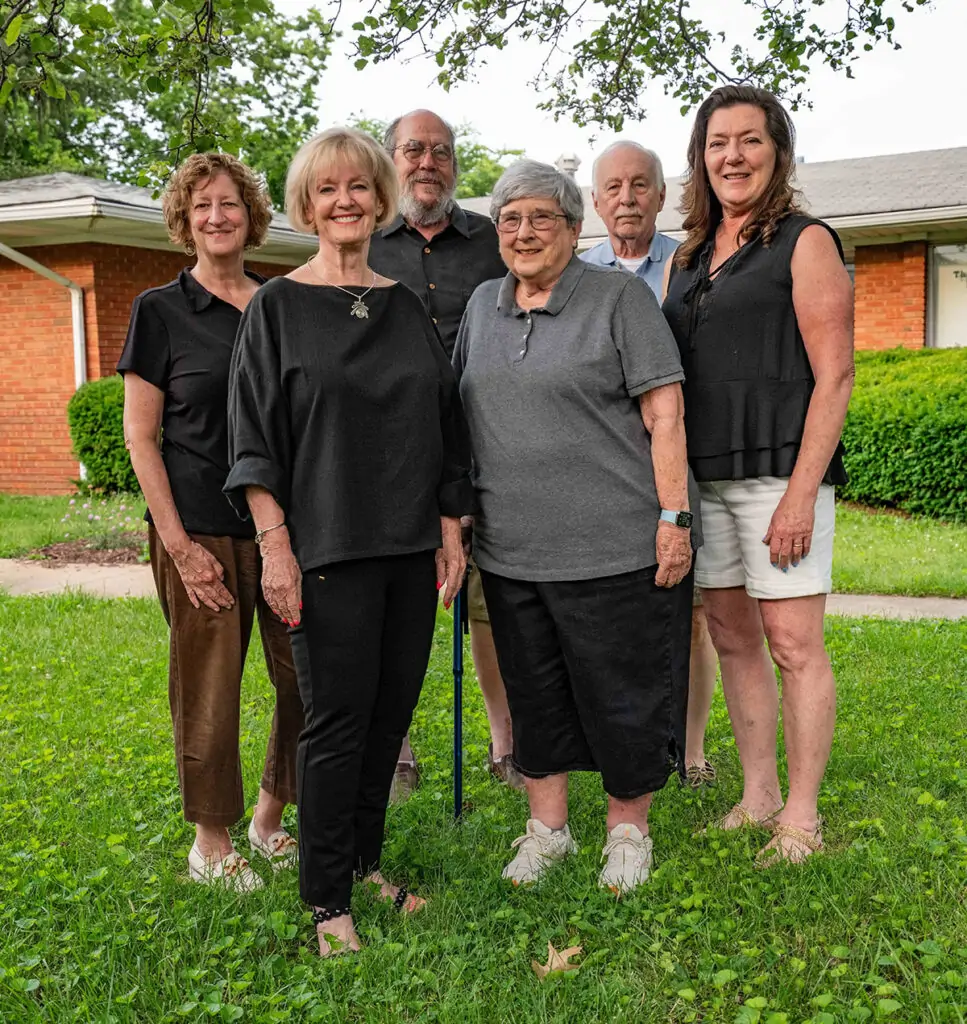
Mary Haux, President
Suzann Cross, Secretary
John Knowles, Treasurer
Our Mission Statement
The Ferguson Historical Society preserves Ferguson’s historical record and engages the public through programs, research, and exhibitions that deepen understanding, strengthen civic pride, and connect past, present, and future generations.
A Short History of Ferguson, Missouri
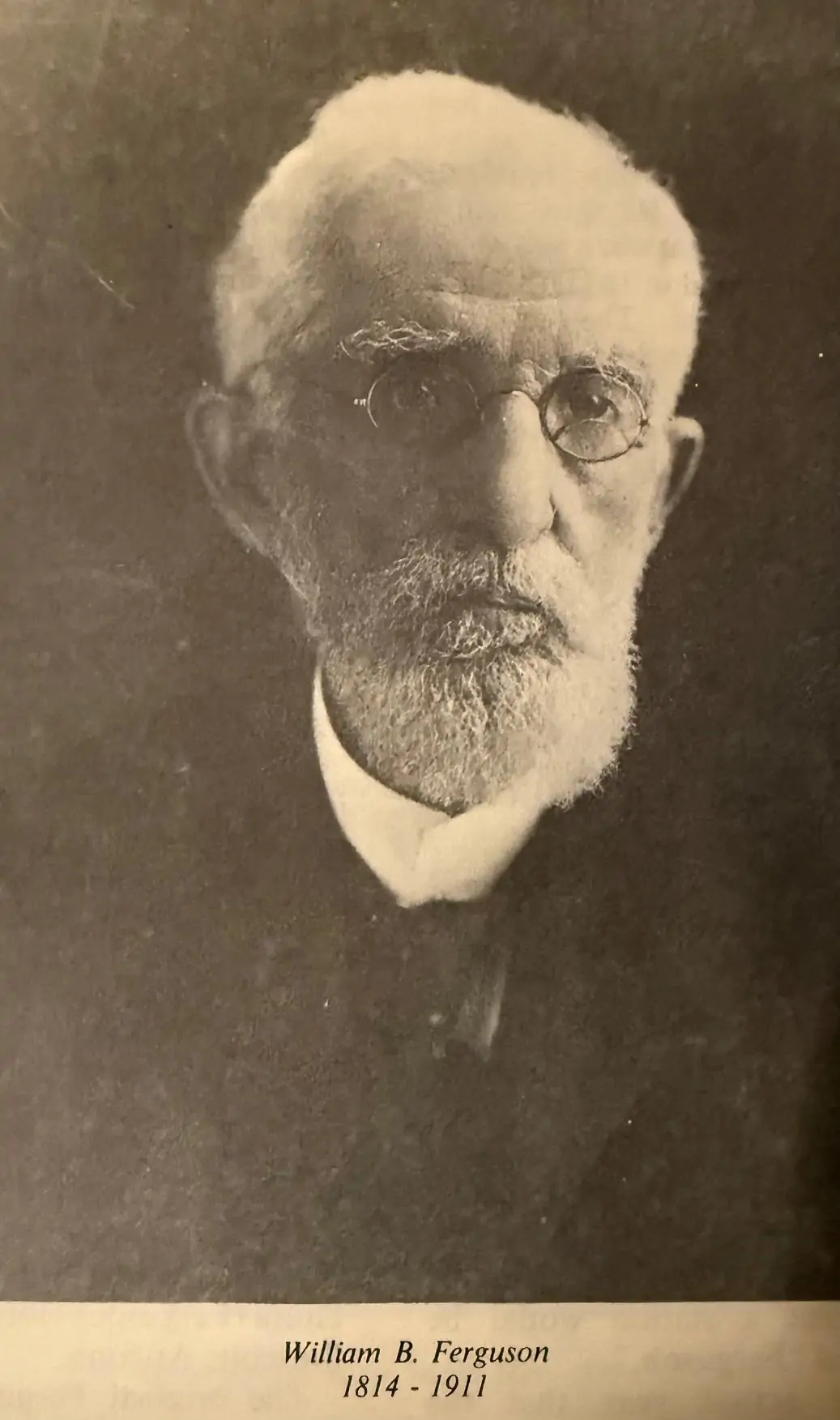
In 1845 William B. Ferguson started out on his wedding trip from Marietta, Ohio. He traveled in search of a new home, crossing Indiana, Illinois, the Mississippi River, and passing through the city of St. Louis.
One evening he found what he wanted 12 miles northwest of St. Louis. The land was rolling and forested. Oak, hickory, black walnut, and persimmon were abundant, especially along the banks of Maline Creek. Mr. Ferguson was so delighted with what he say, he remained. He pitched camp along the banks of a spring which was located at the south end of what is now Elizabeth Ave. in Ferguson.
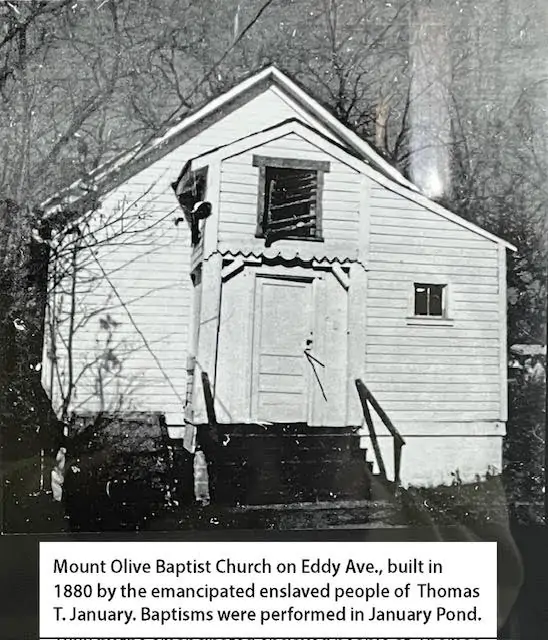
At the time of Ferguson’s arrival, there were several families already established in the immediate vicinity. These included the Brothertons, Chambers, Januarys, Hartnetts, and LaMottes. The largest single landowner in the Ferguson area in the 1830’s and 40’s was, without a doubt, the prominent public official of St. Louis County and successful businessman, Marshall Brotherton. His real estate extended from the present site of Ferguson as far south as Normandy. He sold huge tracts of his land to various early residents of Ferguson. In 1842 Thomas T. January, a Kentucky gentleman, purchased a large tract of land, covering the northwest part of Ferguson. Here he engaged in agriculture and breeding race horses. A number of enslaved people January brought with him from Kentucky were used to run his estate. Their quarters were located behind his spacious home, which stood where Ferguson Middle School stands today.
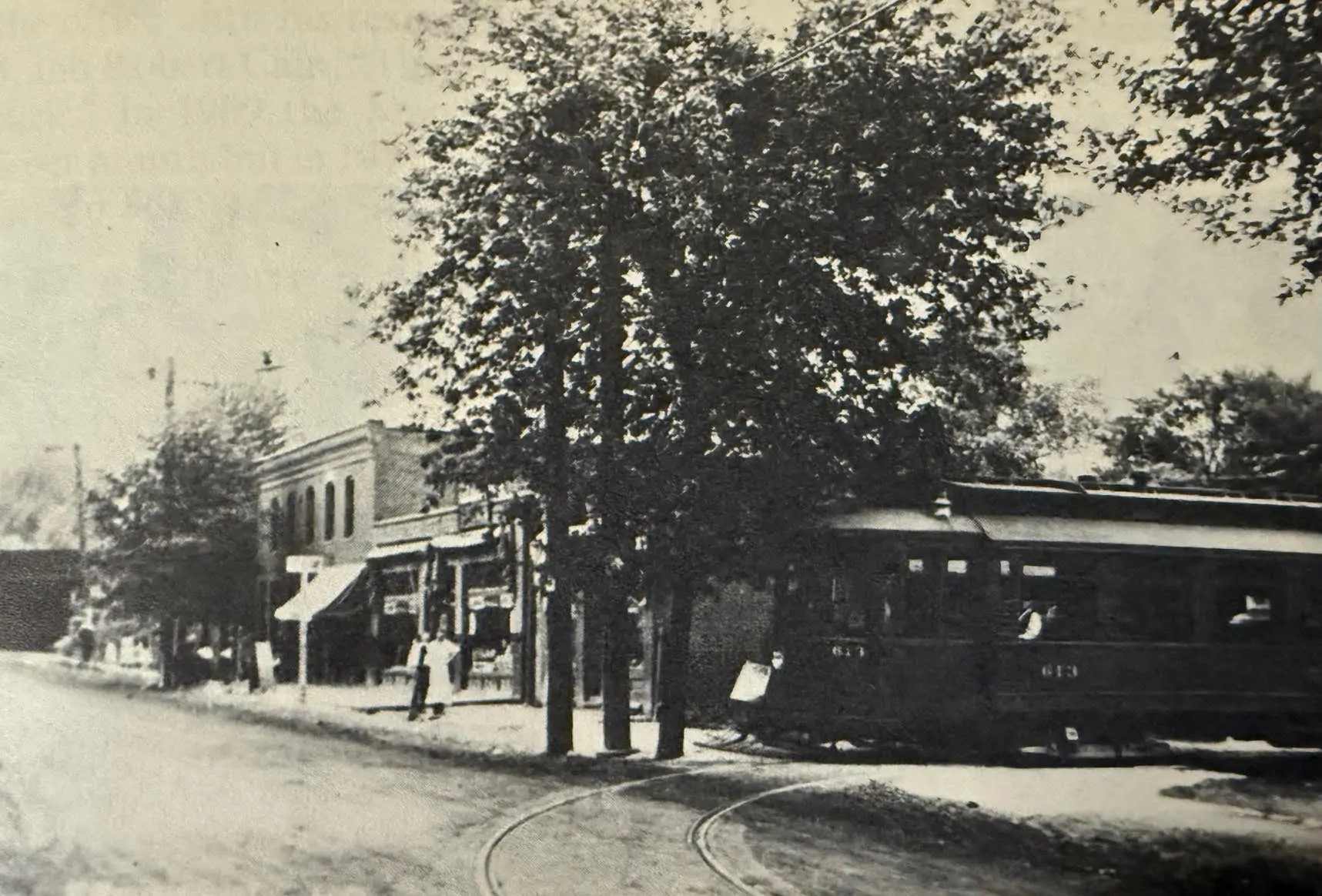
William Ferguson purchased 177 acres of land from Marshall Brotherton and built a home amidst the oaks at 432 Darst Road. The home at one time was the rectory of St. Stephen’s Episcopal Church. In 1855 a group of surveyors of the North Missouri Railroad (which later was known as the Wabash Railroad) met Ferguson while they were wandering around his land. They wanted to purchase a right-of-way for the railroad. Instead, Ferguson agreed to give the railroad nine acres of his land if they would erect a station and call it Ferguson. Thus we find the history of the community of Ferguson and the Wabash Railroad commencing side by side, each a part of the other’s beginning.
In 1894 Ferguson’s population passed 1,000 and its citizens petitioned for incorporation. The County Court granted the incorporation and appointed the mayor and officers of the city of Ferguson on November 12, 1894. The first election was held April 2, 1895. Mr. James E. Hereford, a youthful, vigorous lawyer, and a member of one of Feguson’s earliest families, became Ferguson’s first mayor.
History of Good Shepherd
History of Good Shepherd Catholic Church and Convent – Now the Ferguson Community Center and Ferguson Historical Society History House
Like many other areas around St. Louis after WWII, Ferguson began to see a huge influx of young, Catholic families who were generally wanting to move out of the city after the war. There was available farm land to be developed and as the people came to this area, so did the Catholic Church. The oldest Catholic Church in Ferguson was Sts. John & James, built in the 1920s. Powell W. Chambers of the prominent Ferguson Chambers family, donated $40,000 in 1925 to have the school building at John & James built. By the early 1950s Sts. John & James could no longer handle the large number of parishioners and school children, so the St. Louis Archdiocese began to build more parishes. Good Shepherd was one of them.
The first mass was held in March 1959. The convent was completed in late1959 and six nuns moved in – the Religious of the Sacred Heart of Mary (R.S.H.M.) The school opened in the fall of 1959 with 264 children. By 1962, just two years later, the school wasn’t big enough and a new addition was built.
In the mid-1980s Good Shepherd Parish and School was still a relatively lively church. Three nuns lived in the convent, one of them was the principal of the school. By the early 1990s, more and more parishioners and young families began moving further west – many to St. Charles County.
In 2005, the Archdiocese of St. Louis closed Good Shepherd, along with several other area Catholic churches in North St. Louis County – the same churches that had been built in the 1950s and 60s when the population was booming in this area. A total of six Catholic churches were merged together to form a new parish and school, Blessed Teresa of Calcutta, also known as BTC, with the main parish and school operating out of the former site of Sts. John & James.
For several years, BTC used this complex as part of their parish. Masses were held and other activities went on. The writing was on the wall though. With the Catholic population continuing to decline, using this church and complex in addition to the main campus across town couldn’t be maintained.
In 2012, the City of Ferguson purchased this complex – church, school, and convent – from the Archdiocese. Around the same time, the rectory, a home located across the street from the church, was sold.
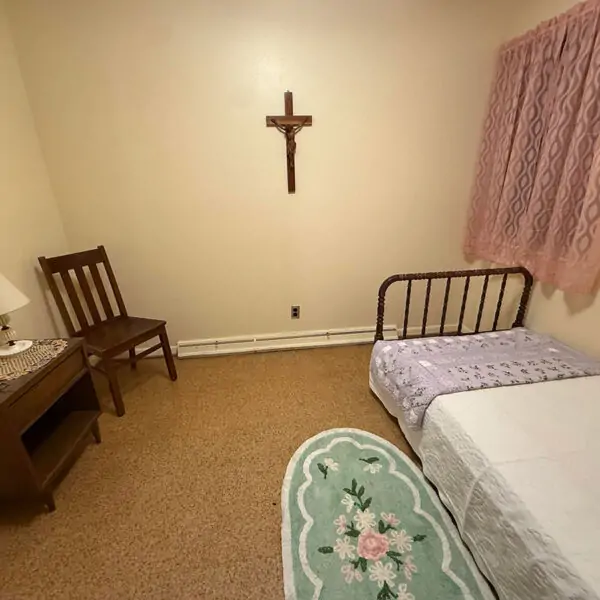
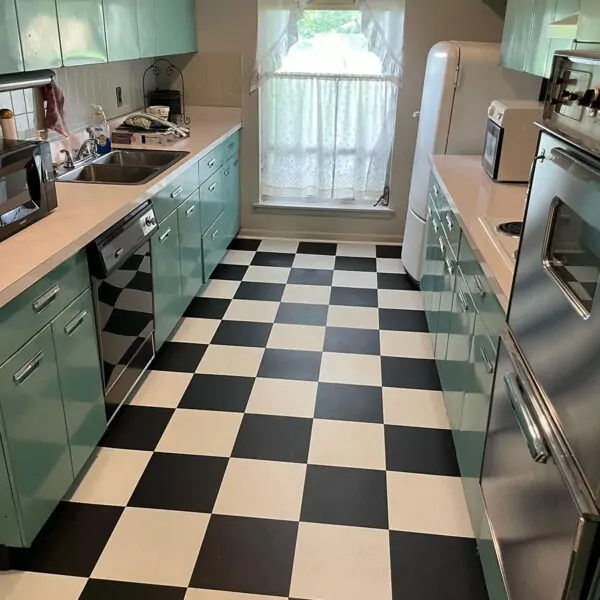
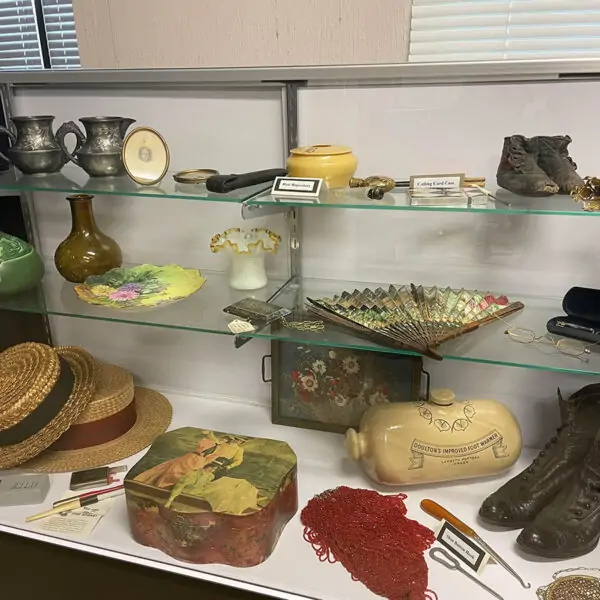
The complex is once again a busy place. Run by the Ferguson Parks and Recreation Department, Good Shepherd Church is now an event center. The former school is the community center with meeting spaces, a gym, outdoor playground, walking path, fitness center, and active senior center. The building is very busy during the camp program held every summer. The former convent, a mid-century home directly behind the community center is now the historical society’s History House where we maintain an archive as well as our museum of Ferguson relics and historical documents all donated by current and former Ferguson residents. It boasts the original 1960s kitchen with beautiful turquoise cabinetry and black and white checkered floor. We highlight many former Ferguson businesses in our archive room and on the back outside walls of the house with our collection of vintage Ferguson business signs. Our collection continues to grow as we accept any donations pertaining to the history of Ferguson. We have many visitors during the year who want to come and learn more about the rich and sometimes difficult history that we have.
Board Members:
Mary Haux, President
Vice President, currently open
Suzann Cross, Secretary
John Knowles, Treasurer
Directors:
Jerry Benner
Scott Bonner
Jill Holtrop
Kathy Noelker
Maggie Sullivan
CALENDAR
Our meetings are the third Wednesday of each month (excluding December) at 6:30pm at the History House (behind the Community Center).
We hold bi-annual open houses every 2nd Saturday in June and every first Saturday in December. These take place as part of our membership in Historic Saint Louis, a partnership of historic sites that promote an understanding and appreciation of history and culture across the St. Louis region. http://historicsaintlouis.org
2026 Events:
Open House – June 13, 10am – 4pm
Open House – December 5, 10am – 4pm
Holiday Lights Tour – TBD
Annual Fundraiser – moved to Spring 2027, Date TBD